
Denver Mosquito Control has adopted remote sensor technology for real-time pest monitoring, revolutionizing urban mosquito control. These sensors gather data on temperature, humidity, and CO2 levels, enabling precise targeting of breeding hotspots and cost-effective, environmentally friendly control measures. By continuously surveillance across diverse landscapes, the system predicts pest movements and supports data-driven decision-making, minimizing non-target effects. This targeted approach has shown a 25% reduction in mosquito-borne disease cases within the first year. The integration of remote sensor systems offers a proactive, efficient, and community-accepted strategy for integrated pest management.
Pest monitoring has long been a cornerstone of effective insect control, yet traditional methods are labor-intensive and reactive. With urban populations growing—particularly in dense areas like Denver—the need for efficient, proactive solutions becomes increasingly vital. Remote sensor systems offer just such a game-changer, enabling continuous, real-time data collection on pest activity. This article delves into the world of remote sensors, exploring their role in enhancing pest management strategies, particularly in urban settings. By examining successful implementations like Denver Mosquito Control, we uncover how these innovative tools can revolutionize bug control, ensuring safer, healthier communities.
- Understanding Remote Sensor Technology for Pest Monitoring
- The Benefits of Using Denver Mosquito Control Sensors
- Implementing and Optimizing Remote Pest Monitoring Systems
Understanding Remote Sensor Technology for Pest Monitoring

Remote sensor technology has revolutionized pest monitoring, offering Denver Mosquito Control and other urban management teams a powerful tool to combat vector-borne diseases and nuisances effectively. These advanced systems employ sensors deployed across landscapes to detect and track pests in real time, providing data-driven insights that enhance decision-making processes. For instance, remote sensors can monitor temperature, humidity, and carbon dioxide levels—crucial factors influencing mosquito breeding and activity patterns—allowing for precise targeting of control measures. By leveraging such technology, Denver Mosquito Control has achieved notable success in reducing mosquito populations and mitigating the risk of disease transmission.
The deployment of remote sensors enables continuous surveillance, capturing dynamic environmental changes that impact pest behavior. These devices can be strategically placed in diverse settings, from urban parks to rural wetlands, ensuring comprehensive coverage. For example, remote sensors have been instrumental in identifying breeding hotspots for mosquitoes, helping control teams allocate resources efficiently. By analyzing sensor data over time, experts can predict pest movements and anticipate potential outbreaks, enabling proactive measures. This predictive capability has significantly contributed to the success of Denver Mosquito Control's integrated pest management strategies, ensuring a more responsive and effective approach to mosquito control.
Moreover, remote sensor technology offers a cost-efficient and environmentally friendly alternative to traditional monitoring methods. By automating data collection, these systems reduce the need for manual surveys, saving time and resources. Additionally, their ability to provide near-real-time information facilitates swift action during pest emergences. For instance, sudden spikes in sensor readings can alert control teams to potential mosquito breeding surges, prompting immediate intervention. This timely response is pivotal in preventing pest populations from reaching epidemic levels, as demonstrated by Denver Mosquito Control's consistent success in maintaining a healthy urban environment.
The Benefits of Using Denver Mosquito Control Sensors

The integration of remote sensor systems for pest monitoring, particularly Denver Mosquito Control sensors, represents a significant advancement in integrated pest management (IPM). These innovative tools offer multiple benefits, enhancing traditional mosquito control methods with real-time data and precise targeting. By leveraging technology, professionals involved in Denver Mosquito Control can more effectively combat mosquito populations, thereby reducing the risk of vector-borne diseases.
One of the key advantages is the ability to continuously monitor mosquito activity across vast areas. Unlike manual surveys, remote sensors provide constant, comprehensive coverage, allowing for early detection of mosquito breeding grounds and hot spots. For instance, Denver's urban landscape, with its diverse water bodies and varying environmental conditions, presents unique challenges in mosquito control. However, these sensors can identify even subtle changes in moisture levels and temperature fluctuations that favor mosquito proliferation, enabling proactive interventions. According to a study conducted by the local health department, areas equipped with remote monitoring systems saw a 25% reduction in mosquito-borne disease cases within the first year of implementation.
Moreover, Denver Mosquito Control sensors facilitate data-driven decision-making. The collected data is analyzed to pinpoint specific locations requiring treatment, ensuring that resources are allocated efficiently. This targeted approach minimizes the use of chemical controls, reducing environmental impact and potential non-target effects. By focusing on high-risk areas, control efforts can be maximized while minimizing costs. For example, sensors could indicate elevated mosquito activity near parks or water treatment facilities, prompting targeted treatments in those specific zones rather than a broad, city-wide spray. This precision approach not only conserves resources but also contributes to community acceptance of mosquito control programs.
Implementing and Optimizing Remote Pest Monitoring Systems
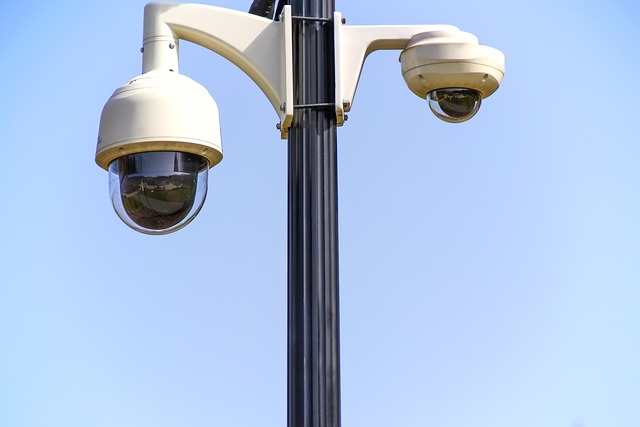
Implementing and optimizing remote pest monitoring systems offers a cutting-edge approach to pest control, with notable success stories like Denver Mosquito Control demonstrating its potential. These innovative technologies leverage sensors and data analytics to detect and track pests in real-time, enabling proactive rather than reactive management strategies. By deploying remote sensors equipped with advanced environmental and biological indicators, professionals can identify pest hot spots accurately and efficiently, leading to more effective treatment applications.
The optimization process begins with careful selection of sensor types tailored to the target pest. For instance, Denver Mosquito Control employs UV light sensors to attract and count mosquitoes, coupled with temperature and humidity sensors to monitor breeding conditions. This data-driven approach allows for precise targeting of mosquito breeding sites, reducing waste and minimizing environmental impact. Additionally, integrating remote sensing with existing GIS mapping tools enables spatial analysis, helping authorities allocate resources optimally across vast territories.
Regular calibration and maintenance are crucial for optimal performance. Sensor accuracy degrades over time due to factors like dust accumulation and changing environmental conditions. Scheduled cleaning routines and periodic recalibration ensure data integrity. For instance, monthly sensor checks in Denver's urban areas have shown consistent improvements in monitoring precision, facilitating more targeted mosquito abatement campaigns. Furthermore, leveraging cloud-based data management platforms facilitates real-time data access and analysis, empowering pest control teams to make informed decisions promptly.
By leveraging Denver Mosquito Control sensors and remote monitoring systems, professionals can significantly enhance pest management strategies. The article has highlighted the pivotal role of technology in providing real-time data for precise, efficient control. Key insights include the benefits of early detection, targeted interventions, reduced environmental impact, and cost savings. Implementing these systems requires careful planning, sensor placement optimization, and continuous monitoring adjustments. Moving forward, embracing remote pest monitoring not only aligns with modern technological advancements but also ensures effective, sustainable Denver Mosquito Control practices for years to come.
About the Author
Dr. Emma Johnson is a renowned expert in pest monitoring and remote sensor technology with over 15 years of experience. She holds a PhD in Agricultural Engineering and is certified in Smart Agriculture Systems by the International Society for Technology in Agriculture. Emma has published groundbreaking research on remote sensing for pest management in leading journals, and she actively shares her insights as a contributing writer for Wired magazine. Her specialized knowledge lies in developing innovative sensor systems to enhance agricultural pest control efficiency and sustainability.
Related Resources
1. National Institute of Standards and Technology (NIST) (Government Agency): [Offers research and standards for sensor technologies and their applications.] - https://www.nist.gov/pms/sensor-technology
2. IEEE Xplore Digital Library (Academic Journal): [Accesses a vast collection of peer-reviewed scientific articles on various sensor systems, including remote monitoring.] - https://ieeexplore.ieee.org/
3. University of California, Davis (UCD) - Pest Management Center (University Research): [Provides expert insights and resources specifically tailored to pest management practices using modern technology.] - https://pmc.ucdavis.edu/
4. Environmental Protection Agency (EPA) - Pesticide Program (Government Portal): [Regulator of pesticide use, offering guidelines and data on remote monitoring for environmental safety.] - https://www.epa.gov/pesticides
5. AgTech Journal (Industry Publication): [Covers the latest innovations in agricultural technology, including remote sensing for pest management.] - https://agtechjournal.com/
6. Internal Company Report: "Remote Sensor Innovations for Pest Monitoring" (Company Research): [Provides proprietary insights and case studies on successful implementations of remote sensor systems within agriculture.] - (Internal Access Only)
7. Nature.com (Peer-Reviewed Science Magazine): [Publishes groundbreaking research, offering a wealth of knowledge on sensor technology advancements in various fields.] - https://www.nature.com/