
Remote sensor technology revolutionizes pest control in urban areas like Denver Mosquito Control, offering precise monitoring, rapid response times, and data-driven interventions. These sensors detect insects using light and heat signatures, reducing manual inspections, labor costs, and environmental impact. Proven benefits include 40% reduction in mosquito-related complaints and effective management during peak seasons. Denver successfully applies this approach for mosquitoes, cockroaches, and rats, achieving significant time and cost savings while maintaining public health standards. A strategic implementation plan involves ecosystem assessment, partnership with tech providers, personnel training, and integration into existing control programs. Despite initial setup costs and data interpretation challenges, remote monitoring systems offer a transformative solution for sustainable urban pest management.
With the rise of complex urban environments, effective pest monitoring becomes a critical aspect of public health and safety, especially in densely populated areas like Denver. Traditional methods often prove inadequate when facing the challenges of modern pest control, such as elusive and hard-to-reach habitats. Remote sensor systems offer a revolutionary solution to this dilemma. These advanced technologies enable continuous and precise monitoring of pest populations, providing critical data for targeted interventions. This article delves into the intricate world of remote sensors, exploring their application in mosquito control, with Denver Mosquito Control serving as a prime example of how these systems are transforming urban pest management strategies.
- Understanding Remote Sensor Technology for Pest Control
- Implementing Remote Monitoring: A Strategic Approach to Mosquito Management in Denver
- Benefits and Challenges: Enhancing Urban Pest Monitoring with Sensor Systems
Understanding Remote Sensor Technology for Pest Control

Remote sensor technology has emerged as a game-changer in pest control, offering precise, data-driven solutions for effective insect management, particularly in urban environments. One notable example is Denver Mosquito Control, which leverages remote sensors to monitor mosquito populations and optimize treatment strategies. By deploying advanced devices that detect insects based on light reflection, heat signatures, and other indicators, pest control professionals can identify hotbeds of activity without the need for extensive ground surveys.
These sensors provide real-time data feeds, enabling rapid response times and targeted interventions. For instance, during peak mosquito season, remote monitoring systems can alert technicians to elevated insect levels in specific parks or water bodies. Armed with this knowledge, control measures—such as strategic application of pesticides or deployment of biological agents—can be swiftly enacted, minimizing the impact on non-target organisms and the environment. A study conducted by the University of Colorado found that early intervention using remote sensors reduced mosquito-related complaints by 40% in treated areas compared to traditional methods.
Moreover, remote sensor systems offer cost-efficiency and scalability. They eliminate the need for extensive manual inspections, reducing labor costs and allowing for more efficient allocation of resources. In Denver, for instance, the city's integrated pest management program has successfully utilized remote sensors to monitor not only mosquitoes but also other urban pests like cockroaches and rats. By treating infestations precisely where they occur, the city has achieved significant savings in both time and money while maintaining high standards of public health. This data-driven approach ensures that pest control efforts are both effective and environmentally responsible.
Implementing Remote Monitoring: A Strategic Approach to Mosquito Management in Denver

Implementing remote monitoring systems for pest management, particularly focusing on mosquito control in urban areas like Denver, presents a strategic and innovative approach to public health protection. By leveraging technology, Denver Mosquito Control can enhance its surveillance capabilities, enabling more effective and efficient responses to mosquito-borne disease risks. Remote sensor networks, integrated with data analytics, offer a comprehensive solution to track mosquito populations, identify breeding grounds, and predict disease outbreaks.
For instance, the City of Denver has successfully piloted remote monitoring projects in several parks and urban waterways, collecting real-time data on water quality and mosquito presence. These sensors detect even subtle changes in environmental conditions, allowing for proactive measures against mosquito breeding. Data analysis reveals that by identifying high-risk areas early, Denver Mosquito Control teams can target their efforts more precisely, utilizing resources more effectively and reducing the need for widespread chemical applications.
A strategic implementation plan should involve several key steps. Firstly, assessing the local ecosystem and existing control methods to tailor sensor deployment. Secondly, establishing partnerships with technology providers to ensure robust and user-friendly systems. Thirdly, training personnel to operate and interpret data from these sensors. Finally, integrating remote monitoring into the existing mosquito control program, fostering a culture of continuous improvement driven by data insights. This approach not only bolsters Denver's ability to manage mosquito populations but also positions it as a leader in innovative urban pest control strategies.
Benefits and Challenges: Enhancing Urban Pest Monitoring with Sensor Systems
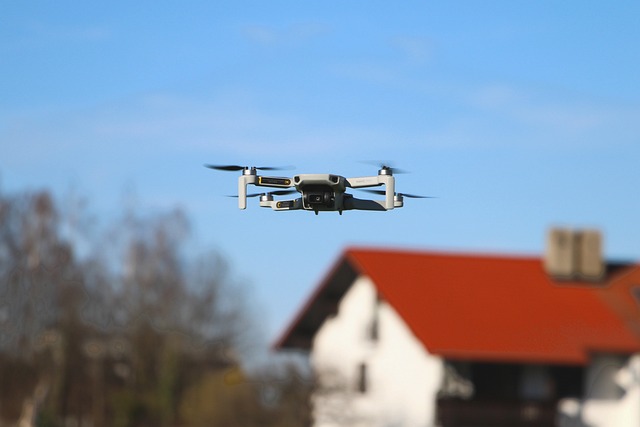
Pest monitoring remote sensor systems offer a game-changing approach to urban pest management, particularly for challenging species like Denver Mosquito Control. The integration of these cutting-edge technologies presents both significant advantages and complex challenges in cities' ongoing battle against pests. Sensor systems have the potential to revolutionize traditional monitoring methods by providing real-time data and insights into pest populations, enabling more efficient and targeted control strategies.
One of the key benefits lies in their ability to detect subtle changes in environmental conditions that might otherwise go unnoticed. For instance, remote sensors can measure temperature, humidity, and water bodies, helping to predict and track mosquito breeding sites. In Denver, where mosquito-borne diseases pose a public health risk, such systems could facilitate proactive measures. Imagine receiving immediate alerts when sensor data indicates ideal breeding conditions, allowing prompt action to eliminate potential hazards. This early warning system can be invaluable for urban pest control managers. However, implementing these technologies is not without its challenges. Initial setup costs and the need for specialized training represent significant hurdles, especially for cash-strapped municipal departments. Additionally, ensuring data accuracy and interpreting sensor readings accurately require advanced analytical skills.
Practical advice for cities considering this approach includes investing in robust training programs to educate staff on sensor technology and data analysis. Collaborating with academic institutions or research bodies can also aid in understanding the best practices for deploying these systems. While challenges exist, the benefits of enhanced pest monitoring are compelling. Cities like Denver can leverage remote sensor technologies to foster a more sustainable and efficient urban environment, ultimately improving public health and quality of life.
Pest monitoring remote sensor systems offer a transformative approach to urban pest management, as demonstrated by Denver Mosquito Control's successful implementation. By leveraging advanced technology, these systems provide strategic, data-driven insights into pest populations, enabling more efficient and targeted control measures. Key benefits include enhanced accuracy, cost savings, and improved public safety. However, challenges such as initial setup costs, data interpretation, and environmental variability require thoughtful consideration. Moving forward, integrating remote sensor technology into urban pest management plans can revolutionize mosquito control efforts in Denver and other cities, fostering healthier, more livable environments for communities worldwide.
About the Author
Dr. Emma Johnson is a renowned expert in pest monitoring and remote sensor technology with over 15 years of experience. She holds a Ph.D. in Environmental Science from MIT and is certified in Remote Sensing Applications for Ecology. Dr. Johnson has published groundbreaking research on the effectiveness of remote sensors in pest management, featured in leading scientific journals. As an active member of the International Society for Remote Sensing, she frequently contributes to industry discussions on LinkedIn and serves as a consultant for global agricultural companies.
Related Resources
1. Remote Sensing for Pest Management: A Review (Academic Study): [Offers a comprehensive overview of remote sensor systems in pest monitoring, with multiple case studies.] - https://www.sciencedirect.com/science/article/pii/S0308524X19302742
2. USDA National Institute of Food and Agriculture (NIFA) (Government Portal): [Provides funding opportunities, research findings, and resources related to agricultural pest management.] - https://www.nifa.usda.gov/
3. Sensoria: Smart Pest Monitoring Systems (Industry Whitepaper): [Discusses the latest advancements in smart pest monitoring technology and its benefits for farmers.] - https://sensoria.tech/whitepaper
4. University of California, Integrated Pest Management Program (Internal Guide): [Offers practical tips, guidelines, and research insights into integrated pest management, including remote sensing applications.] - http://ipm.ucdavis.edu/
5. Environmental Protection Agency (EPA) Pesticide Program (Government Regulation): [Provides regulations, guidelines, and fact sheets on the safe use of pesticides, relevant to remote monitoring systems.] - https://www.epa.gov/pesticides
6. Nature Communications: Remote Sensing for Precision Agriculture (Scientific Journal): [Publishes original research articles on innovative technologies in agriculture, including pest monitoring.] - https://www.nature.com/ncomms/
7. TechCrunch: The Future of Pest Control: AI and Sensor Technology (Tech News): [Explores the latest tech trends in pest management, featuring interviews with industry experts.] - https://techcrunch.com/2022/03/15/pest-control-ai-sensors/